Sustainability
Australian University believes that as a leading educational institution, it has a vital role to play in addressing the social and environmental challenges. AU aims to build a sustainable, inclusive, and equitable community. Its commitment to Community Social Responsibility (CSR) extends beyond its classrooms and research laboratories.
As part of AU’s ongoing contribution to CSR objectives, both academic and non-academic departments actively participate in a range of community service initiatives. Notably, AU hosted a forum in 2022 in collaboration with The World Bank Group Kuwait, titled “Rethinking Education for a Prosperous and Sustainable Future.” This initiative stems from the global debate about the current higher education system not aligning with the practicality and dynamics of the job market. The forum aimed to explore reforms with awareness of both risks and opportunities, advocating for an educational system that promotes a sustainable future.
AU Policies and Procedures (PDF) About the 2022 forum
Community Social Responsibility
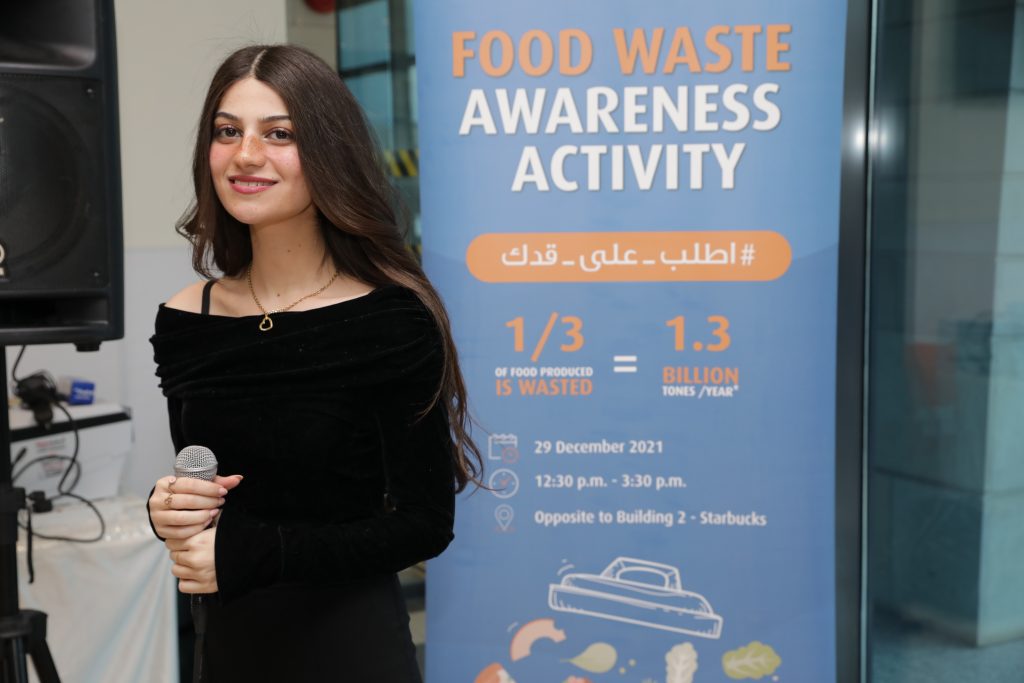
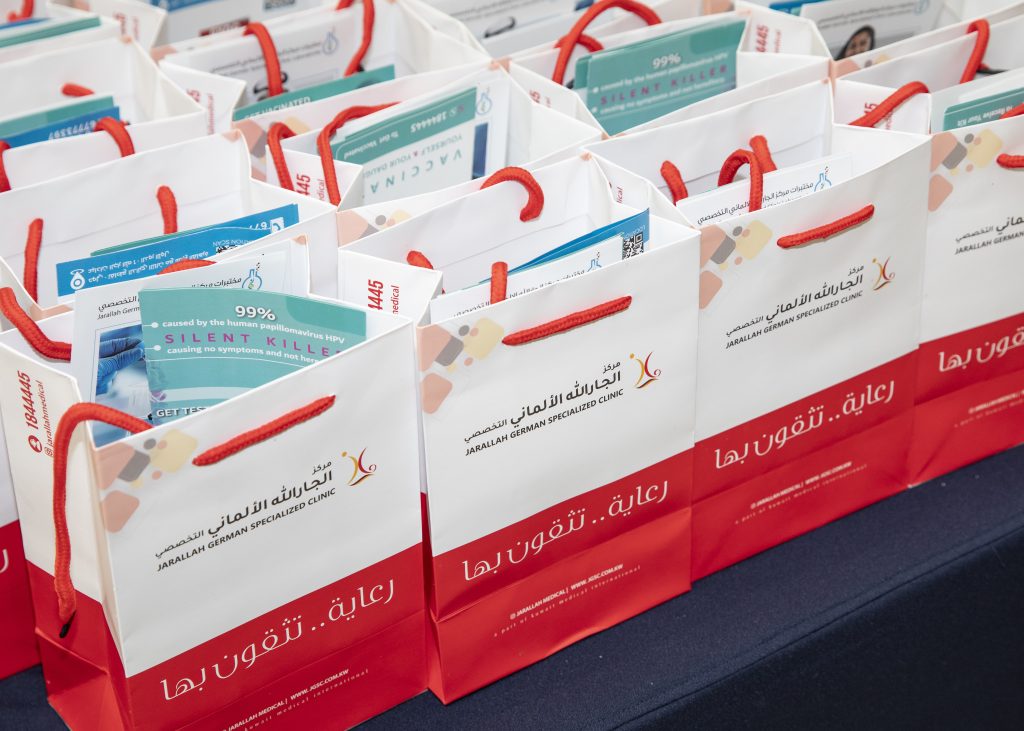
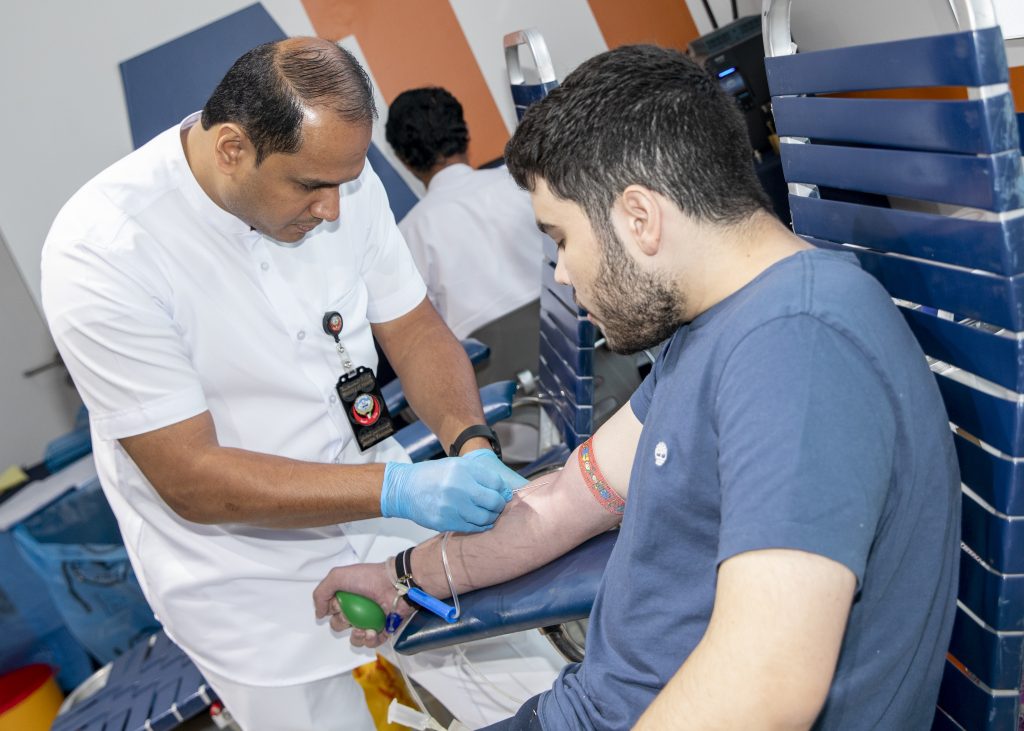
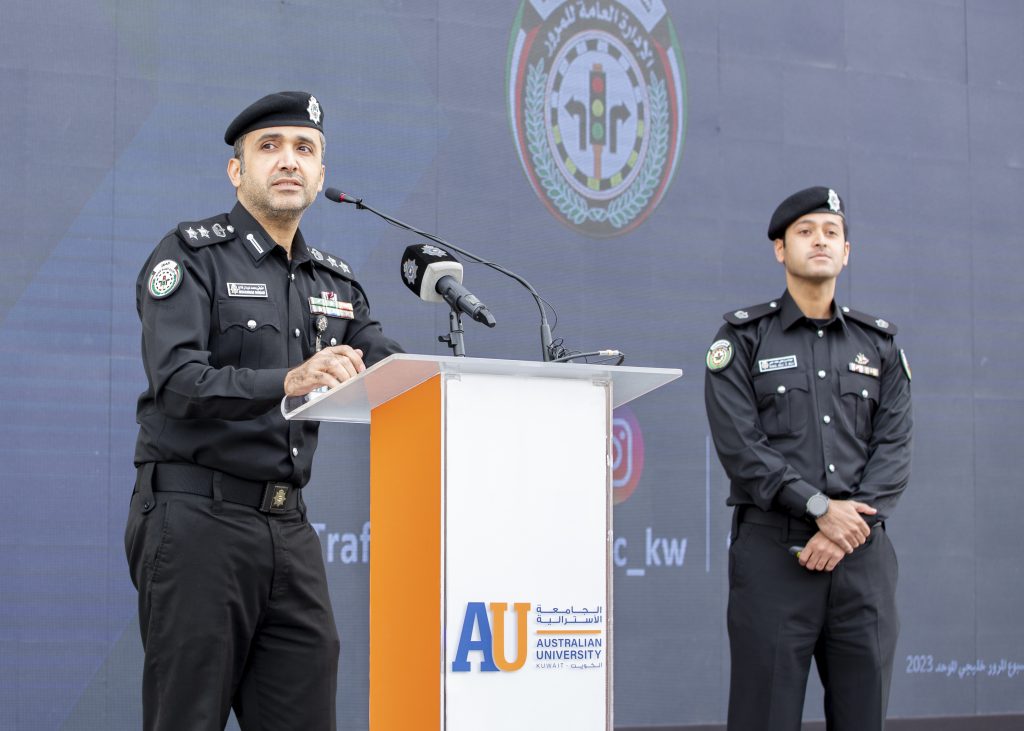
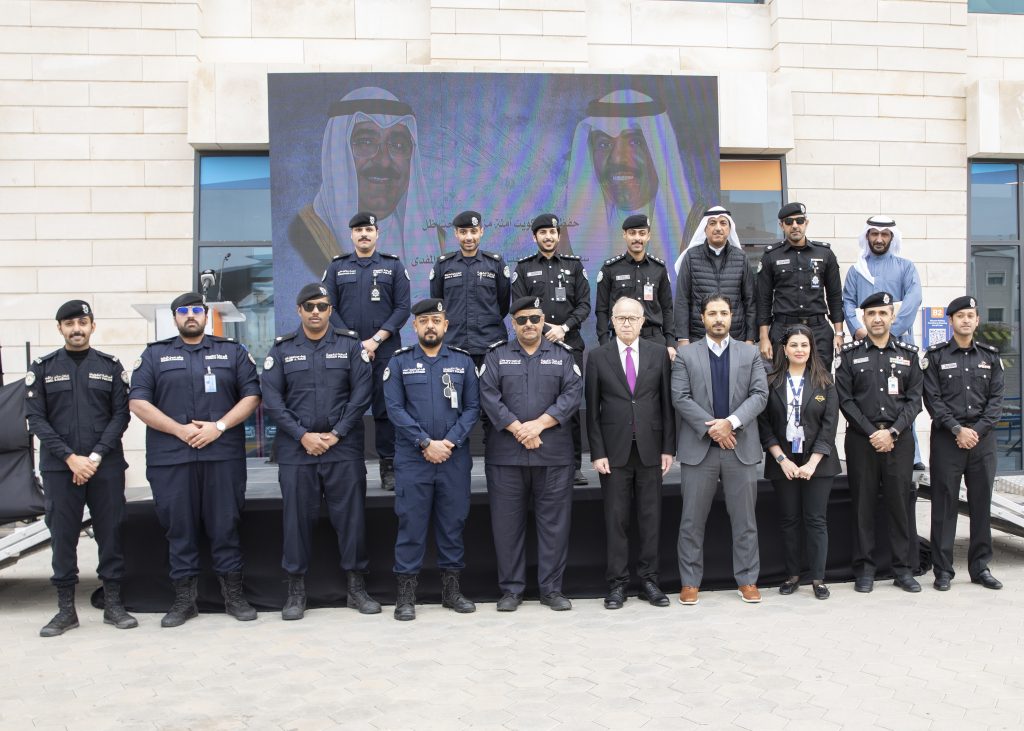
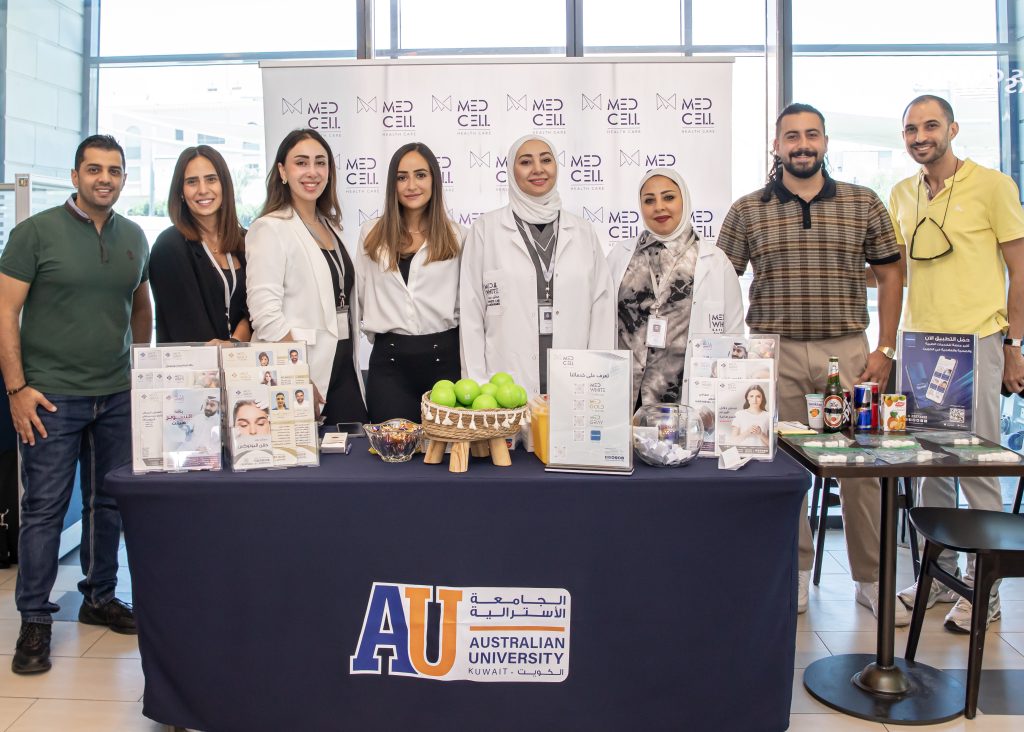
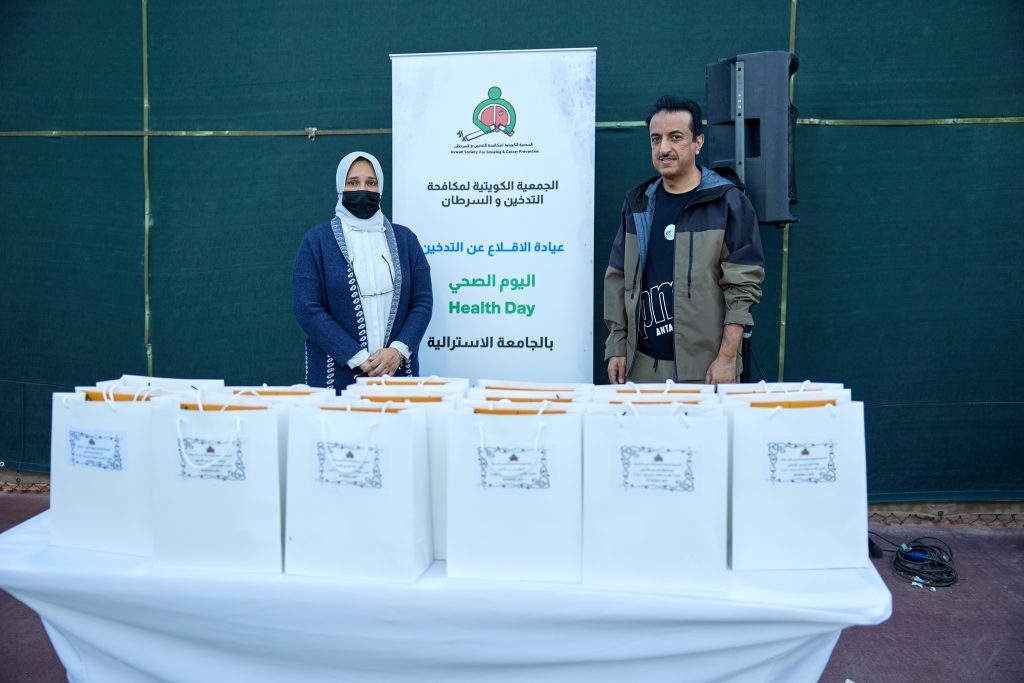
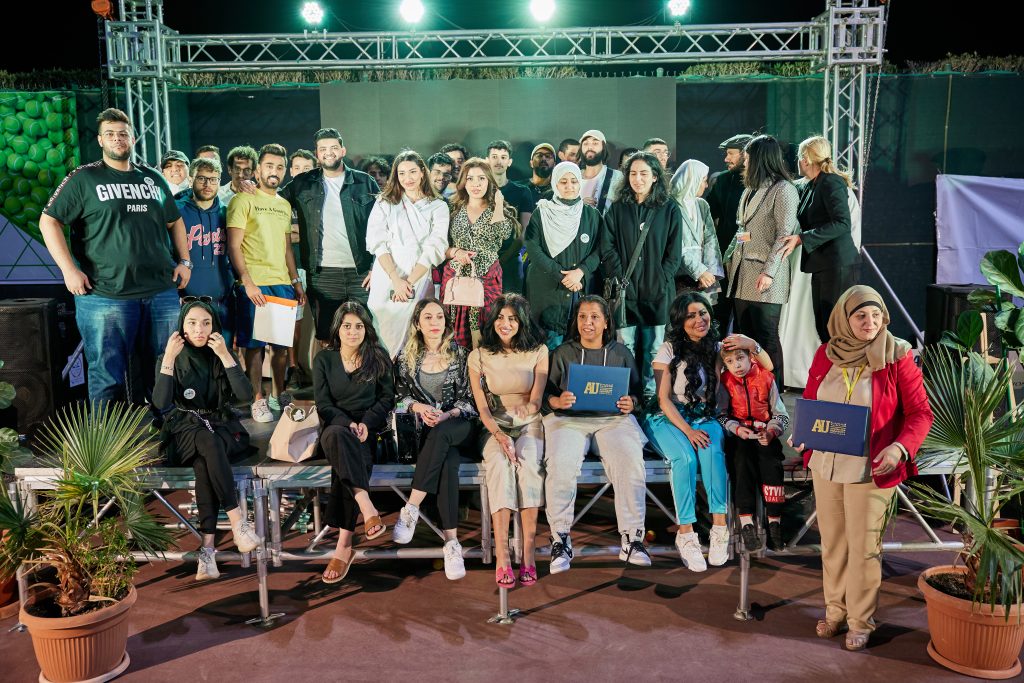
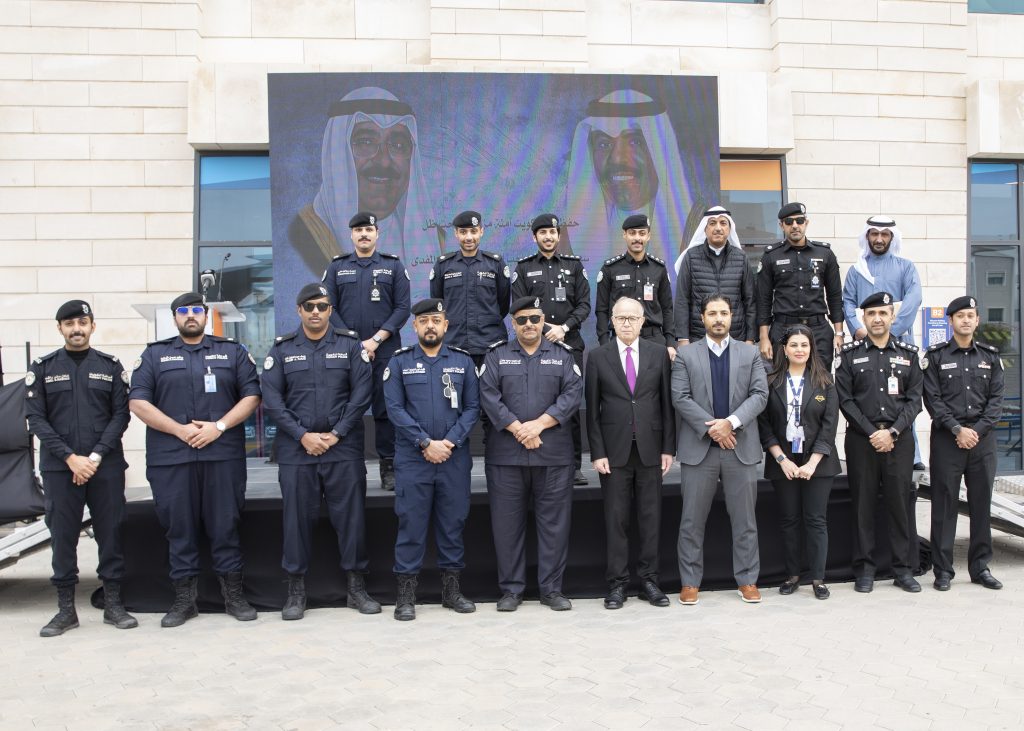
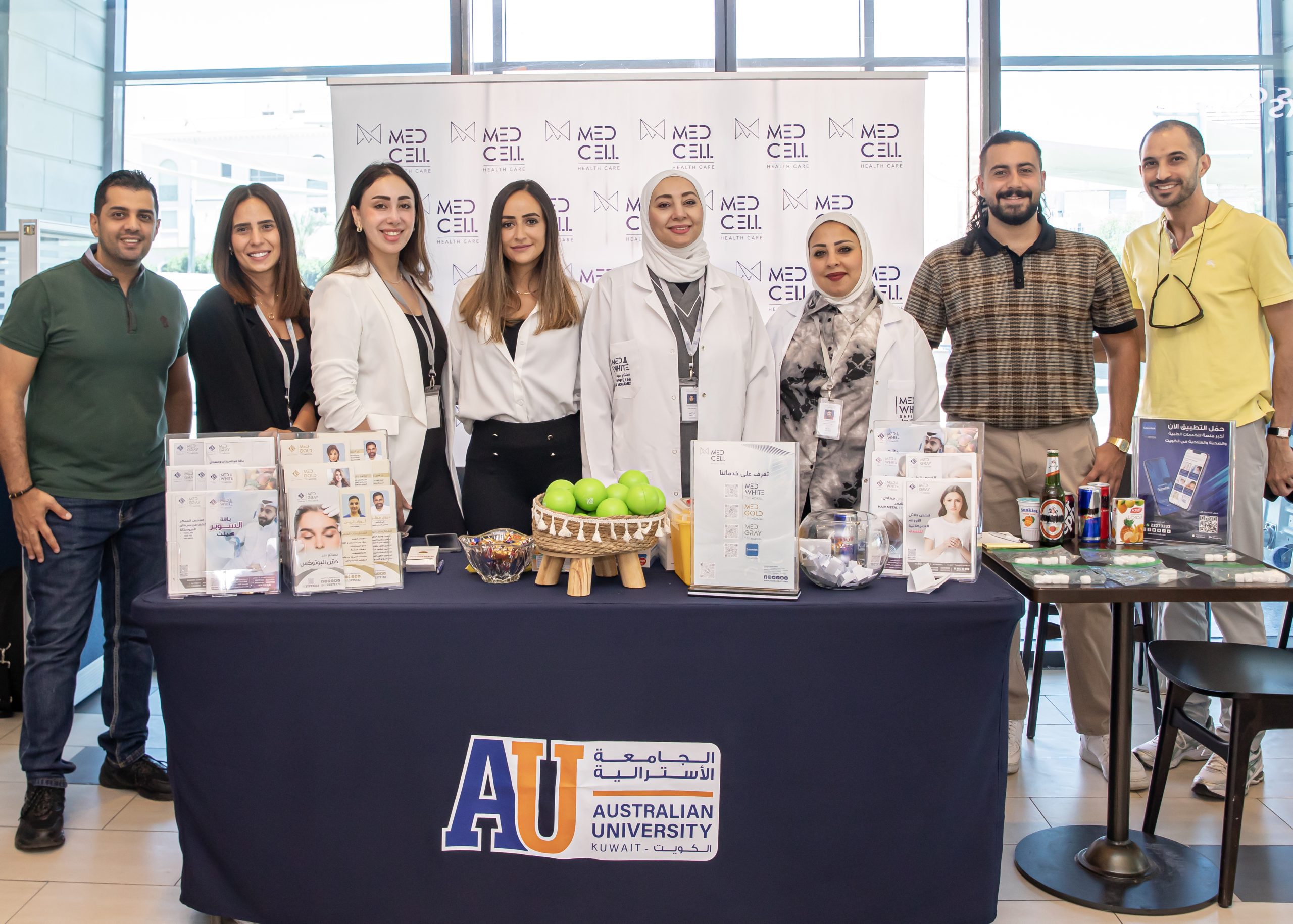
Community service and awareness campaigns run by AU’s academic and non-academic departments, on campus and across Kuwait.
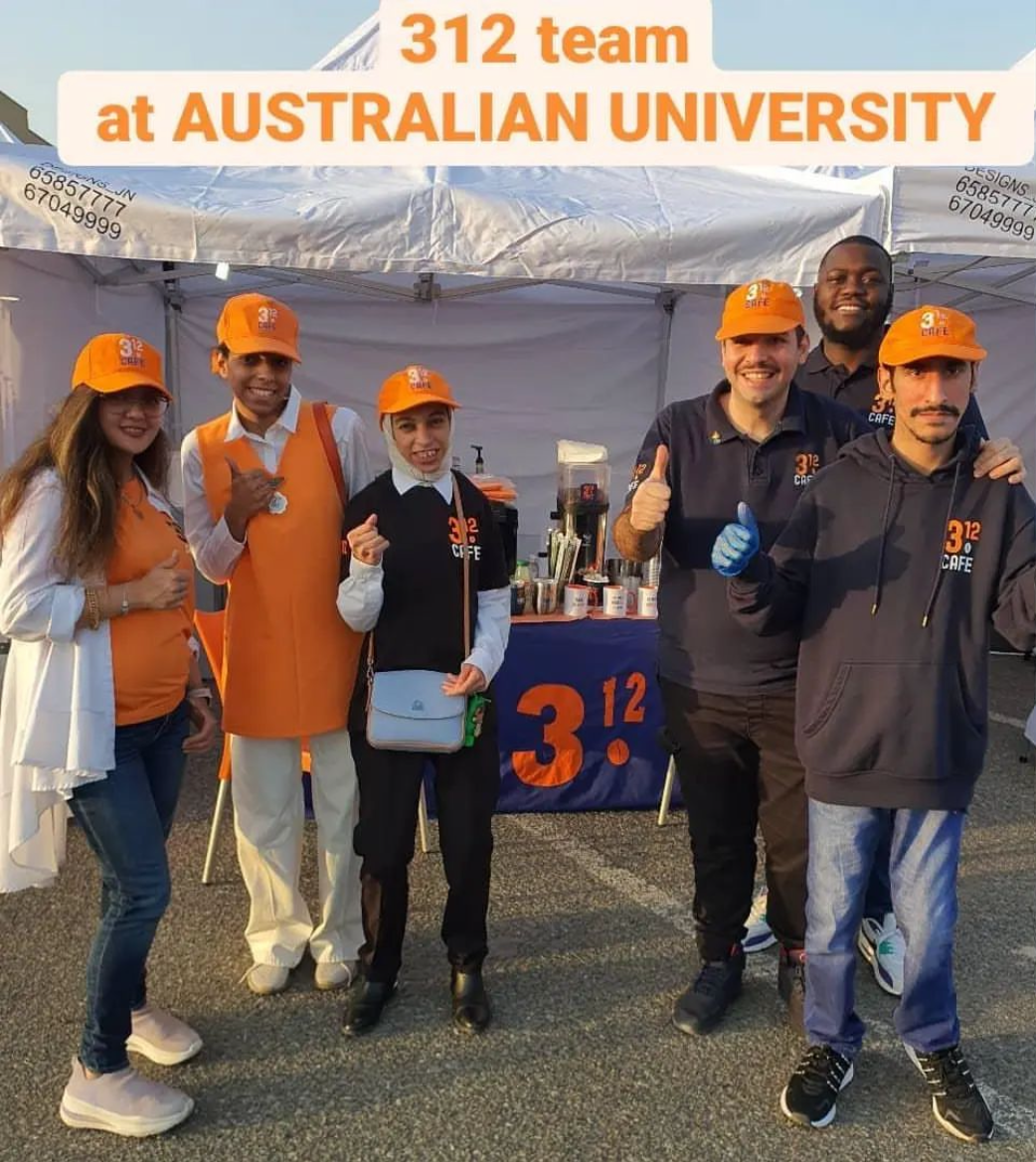
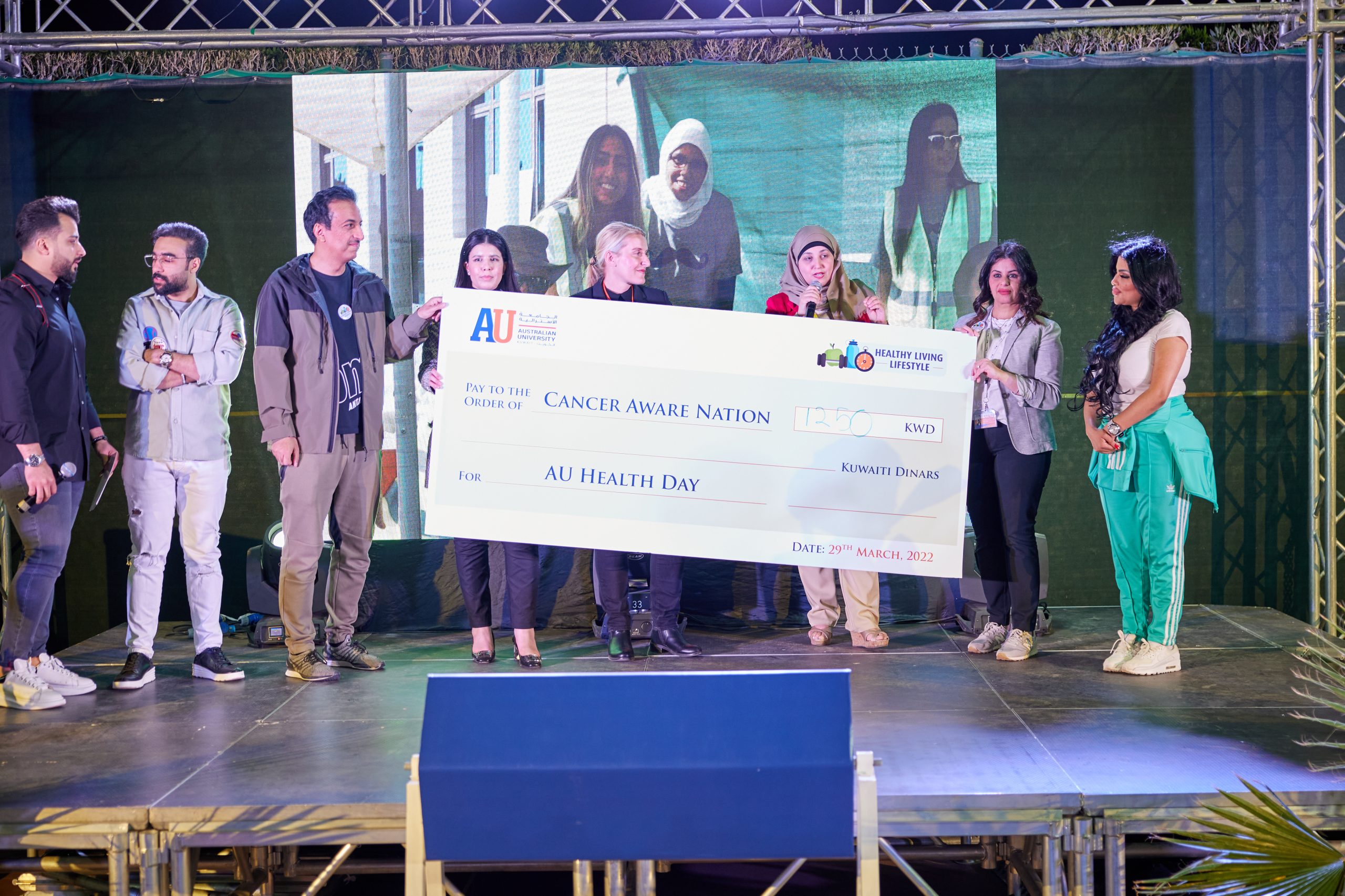

Australian University (AU) undertakes a series of initiatives aimed at fostering knowledge, health, and well-being within the community. These campaigns are pivotal components of AU’s broader commitment to Community Social Responsibility (CSR).

Waste Management
Each type of waste on campus has its own partner or process, from recycling bins to lab and clinic disposal.

-
One of the cornerstones of the Waste Management strategy involves partnering with MyPrint Smart Printing Solutions. This collaboration focuses on the responsible disposal and recycling of paper and plastic waste. Throughout the university’s campus, there are labeled bins thoughtfully placed to encourage proper waste disposal and recycling habits among our community members. By doing so, it cultivates a culture of conscientious waste management within the university.
-
AU acutely aware of the importance of safely handling toxic waste generated from the laboratory experiments of engineering students by establishing collaborations with local recycling companies. These partnerships ensure that hazardous materials are managed and disposed of responsibly, minimizing harm to the environment and the community.
-
AU’s clinic ensures the well-being of students, staff, and visitors. Pharmaceutical waste is meticulously managed by the Cleaning Services Company to protect the environment and prevent dangerous medications from being misused.
-
As part of AU’s continuous improvement strategy, it embraces modern learning methods, which include a significant reduction in paper usage through digital transformation. Initiatives like e-forms, LCD screens, projectors, e-library, and e-bookstores have contributed to a substantial decrease in paper consumption.
This commitment to waste management extends beyond the confines of the university campus; it serves a broader purpose by contributing to Kuwait’s environmental well-being and the global environment.
In summary, AU’s approach to Waste Management is more than just a practice; it’s a testament to its dedication to creating a healthy and sustainable environment. By minimizing waste, recycling materials, and embracing modern technologies, AU is actively contributing to a better, cleaner world, aligning with broader vision of Community Social Responsibility (CSR).
Green Initiatives
How AU reduces its footprint through transport, energy and water, and builds awareness through seminars and competitions.

Transportation
AU is committed to promoting sustainable transportation practices to reduce environmental impact and enhance the overall well-being of our community. To facilitate responsible commuting, we encourage the implementation of carpooling initiatives among students and staff. Carpooling not only contributes to the reduction of individual carbon footprints but also fosters a sense of community and collaboration.
To further support sustainable transportation, our institution provides access to efficient and eco-friendly bus services for students. These buses are strategically scheduled to accommodate the diverse needs of our student body, ensuring reliable and environmentally conscious transportation options. By fostering a culture of shared rides and offering accessible public transportation alternatives, we aim to create a campus environment that aligns with our commitment to sustainability and responsible resource management.

Conservation of energy
At AU, the commitment to sustainability is exemplified through true efforts in energy conservation. Recognizing the critical role universities play in shaping future leaders and supervisors of the environment, AU has implemented a comprehensive energy conservation strategy. This involves the optimization of lighting systems, utilization of energy-efficient appliances, and the integration of renewable energy sources where feasible.
Additionally, the campus community actively participates in awareness campaigns, seminars and educational programs that promote energy-saving habits. Through the collective efforts of students, faculty, and staff, we attempt to minimize our carbon footprint, foster a culture of responsible energy consumption, and contribute to a more sustainable future. This commitment extends beyond the campus, influencing positive behaviors and attitudes towards energy conservation that resonate with our broader community.

Conservation of water
AU is deeply committed to sustainability, and one of its core initiatives focuses on water conservation. Recognizing the vital role water plays in ecosystems and daily life, AU has implemented a comprehensive Water Conservation Program. This program encompasses a range of strategies, including the installation of water-efficient fixtures, the promotion of responsible water uses through educational campaigns, and the implementation of smart irrigation systems on campus grounds.
By emphasizing the importance of water conservation in both academic and practical contexts, the university aims to teach a lasting commitment to responsible water practices among its students, faculty, and staff. Through these efforts, AU tries to not only reduce ecological footprint but also contribute to a broader culture of environmental supervision that extends beyond the confines of the university.
Sustainability Hub: nurturing change through seminars and competitions
AU embraces a collective commitment to fostering a greener, more sustainable future. At the heart of its ethos is a dedication to responsible practices that extend beyond the classroom. Here, sustainability isn’t just a concept; it’s a way of life.
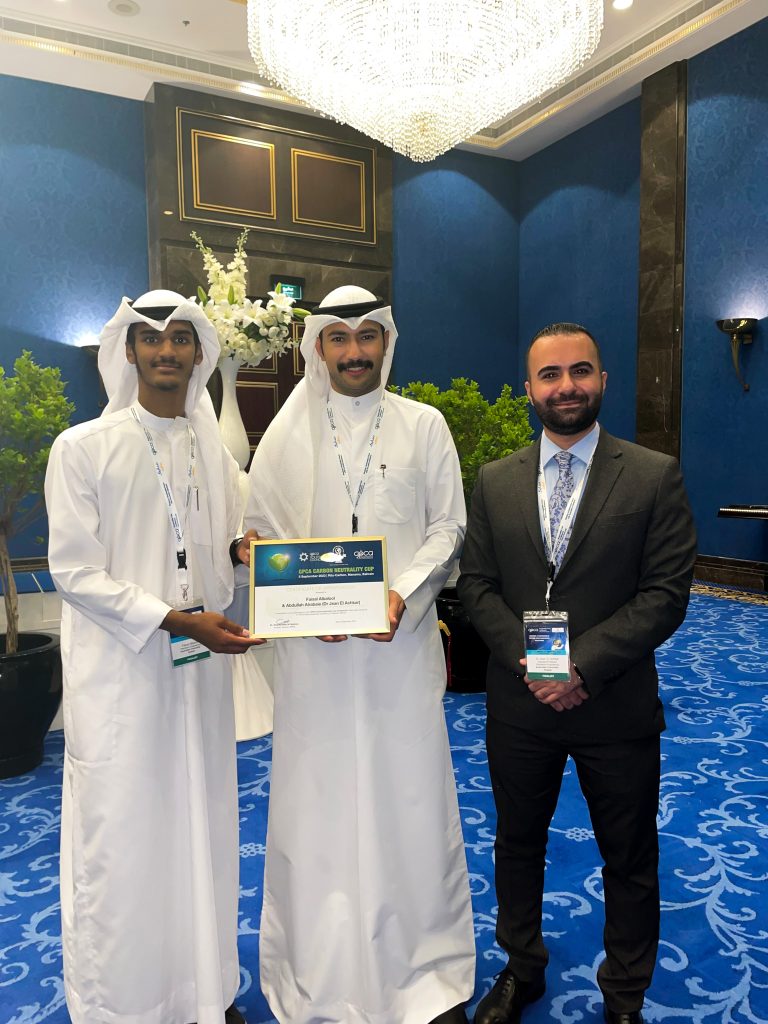
As we navigate the complex challenges facing our environment, AU is proud to showcase a series of seminars and competitions that amplify its commitment to sustainability. These initiatives serve as platforms for knowledge exchange, innovation, and community engagement, aligning with AU’s mission to empower individuals to become advocates for positive environmental change.
Sustainable Development Goals (SDGs)
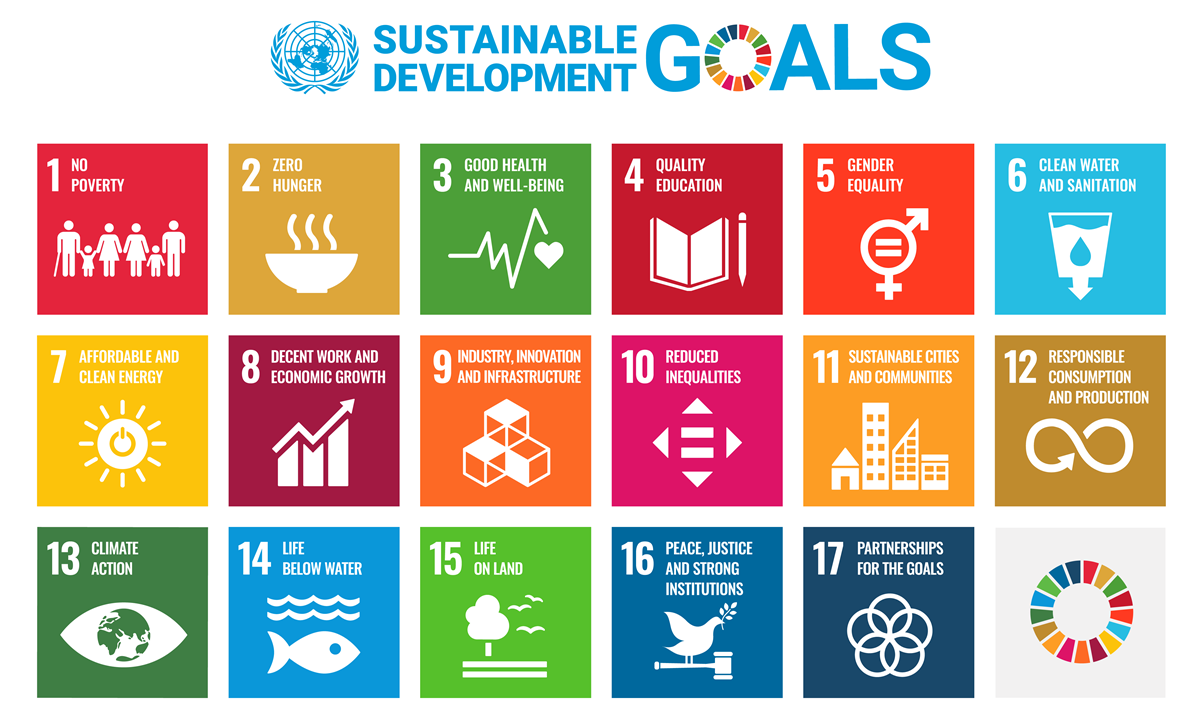
The Sustainable Development Goals are a set of 17 global goals adopted by the United Nations to address major world challenges as poverty, quality, education, climate action, and economic growth. These goals aim to create a more sustainable, fair, and peaceful future for all. As a university, we are committed to supporting the SDGs through our academic programs, research, and campus initiatives.
AU also hosts a variety of academic and non-academic events throughout the year, many of which are designed to align with one or more of the SDG goals – encouraging awareness, innovation, and action among students, faculty and the wider community. By integrating these goals into our goals, we help students become responsible global citizens and contribute to positive change both locally and globally.
AU events and projects aligned with SDGs
Petroleum Engineering Seminar: “KNPC Role In Climate Change Mitigation”
In support of environmental awareness and cleaner technologies, AU hosted the “KNPC Role in Climate Change Mitigation” seminar. This session highlighted the transition to cleaner energy sources, the adoption of sustainable industrial processes, and the importance of innovation in reducing carbon emissions within the petroleum sector.
- Goal 7: Affordable and clean energy
- Goal 9: Industry, innovation and infrastructure
- Goal 13: Climate action
INJAZ Company Program Orientation and Competition (Project: Ramalah)
The INJAZ Company Program Orientation, which featured AU student participation, emphasized the importance of entrepreneurship in addressing sustainability challenges. Their award-winning project, “Ramalah,” explored innovative solutions for renewable energy storage, demonstrating how creativity and technology can contribute to climate action and energy efficiency.
- Goal 7: Affordable and clean energy
- Goal 8: Decent work and economic growth
- Goal 13: Climate action
COB Students Organize CSR Initiatives
Further reinforcing AU’s dedication to sustainability, students in the College of Business Management incorporated corporate social responsibility into their coursework. Activities included donation drives, visits to care centers, and awareness campaigns on topics such as breast cancer and smoking. These initiatives showcased efforts to reduce inequalities, support good health and well-being, and promote responsible consumption and production.
Environmental stewardship was also emphasized through beach clean-ups and campus-wide awareness campaigns, which not only fostered environmental responsibility but also encouraged peaceful, inclusive participation and civic action among students.
- Goal 3: Good health and well-being
- Goal 10: Reduced inequalities
- Goal 12: Responsible consumption and production
- Goal 14: Life below water
- Goal 16: Peace, justice and strong institutions
The Smart Net-Zero Bus Stop Project
The Smart Net-Zero Stop project developed by the College of Engineering reflected AU’s forward-thinking approach to sustainable urban planning. By integrating smart technology and renewable energy solutions into public transportation infrastructure, the project demonstrated how innovation can directly support sustainable cities and help reduce the environmental impact of daily commuting.
- Goal 7: Affordable and clean energy
- Goal 11: Sustainable cities and communities
- Goal 13: Climate action
Each of these efforts highlights AU’s commitment to embedding sustainability into education, empowering students to be agents of change, and contributing meaningfully to the global movement toward a more sustainable, inclusive, and equitable world.